
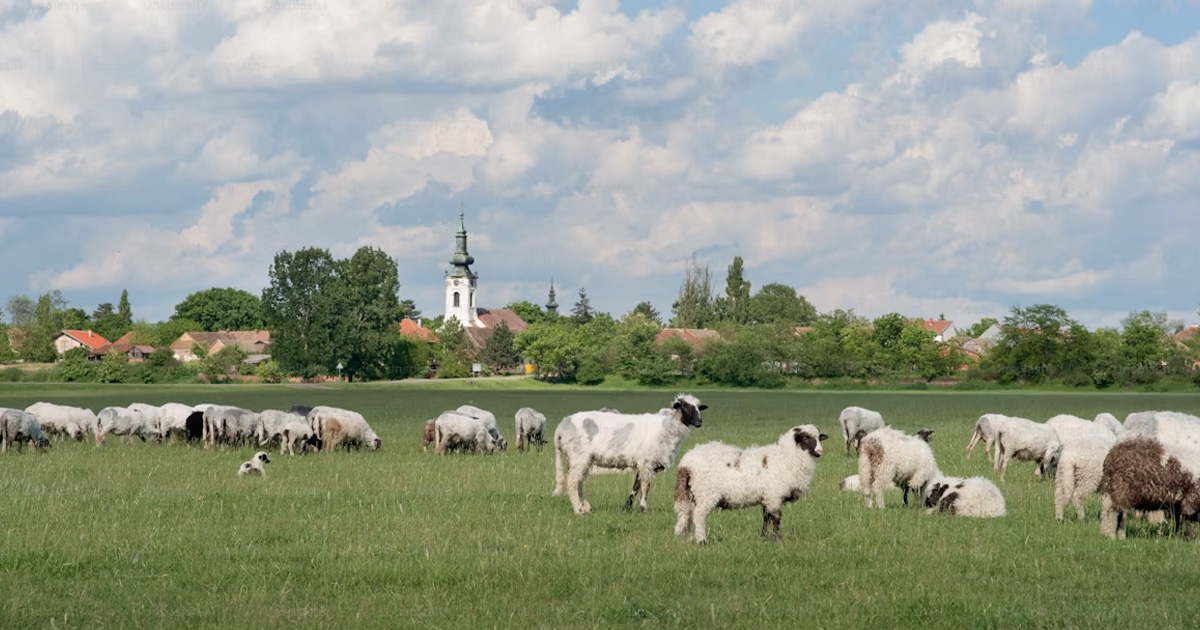
This is the second post in a series on shepherds, sheep, and church hurt. If you missed yesterday’s post, I encourage you to read it first and then return here. Today, we’ll take a close look at the sheep part of this biblical metaphor.
Identifying Wounded Sheep
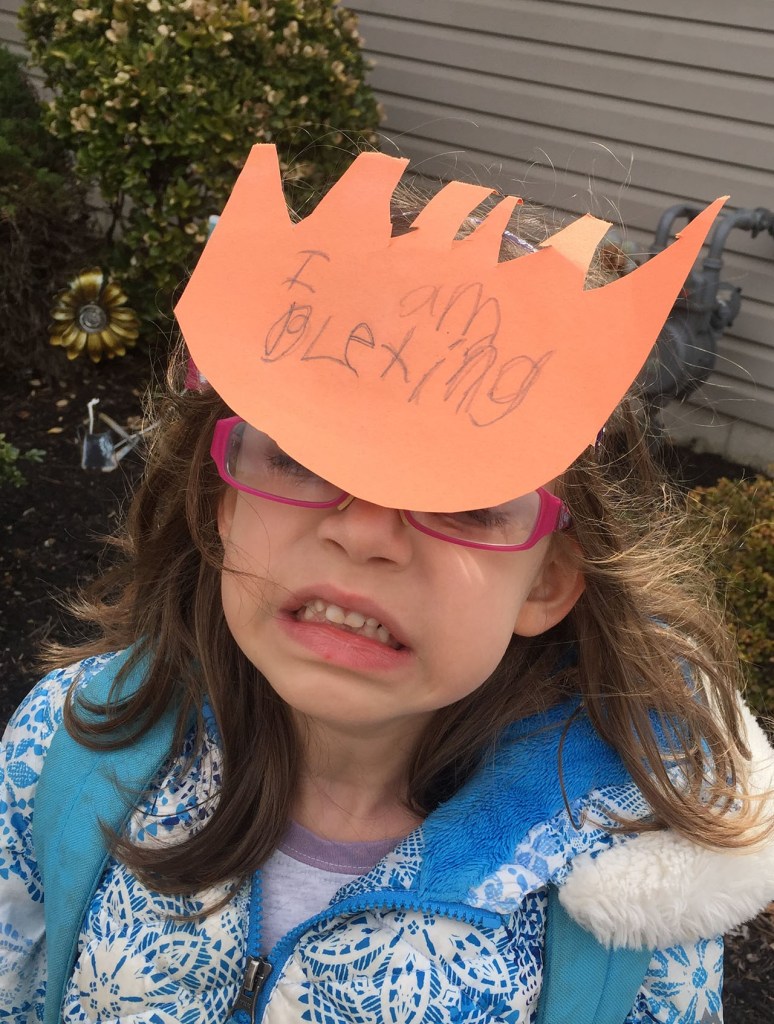
When I took this photo of my daughter 7 years ago, I knew it would come in handy one day. She sustained a paper cut while working at her desk, and she wanted everyone to know about it. So, she made herself a crown at the end of the day, wore it on the bus, and pointed to it so I wouldn’t miss it when the accordion doors opened. Her kindergarten spelling attempt reminded me of sheep “bleating” more than “bleeding.” I managed to hold back a laugh, but I had to take a picture.
She’s well past this stage and growing up to be a creative young lady with a great sense of humor. Kindergartners say and do the funniest things, though. Wounded sheep and church-goers do some odd things, too. They might stand frozen and bleating/bleeding, or they might take off in terror for what seems to be no good reason.
I mentioned in my last post that I enjoy watching shepherds on YouTube, thanks to my border collie. From what I’ve learned, an experienced shepherd who has acquired a new sheep or is getting to know a new flock will easily identify signs of past mistreatment or neglect.
Here are a few tell-tale behaviors:

1. FEARFUL: The sheep may bolt or keep its distance when approached. Sudden sounds or movements might cause panic. This makes it challenging for a shepherd to get close enough to care for them and their lambs.
For wounded church-goers: If you’ve been hurt at church, you may be hesitant to remain involved or even try attending a new church. This fear can range from general avoidance to diagnosable post-traumatic stress disorder (learn more). If you have a family, you’ll likely do whatever seems best to protect your children from spiritual harm.
What the Word Says: “He will tend his flock like a shepherd; he will gather the lambs in his arms; he will carry them in his bosom, and gently lead those that are with young” (Isaiah 40:11, ESV).

2. DISTRUSTING: A sheep that has been hurt before may not follow a shepherd’s voice or come when called. These sheep are prone to wander. They may get themselves stuck in thistles in attempts to find safety.
For wounded church-goers: Becoming disillusioned with a once-trusted spiritual leader or Christian organization distorts what is meant to be sacred in your life. It’s disorienting to have your faith rug pulled from under you. This experience may leave you feeling uncertain of your spiritual identity (learn more). You might attempt to practice your faith privately or look to other religions or philosophies for meaning.
What the Word Says: “My sheep hear my voice, and I know them, and they follow me. I give them eternal life, and they will never perish, and no one will snatch them out of my hand” (John 10:27-28).

3. WITHDRAWING: A skittish sheep could isolate itself from the flock, staying on the edges or lagging behind. Sadly, in shying away from the shepherd and the fold, the sheep becomes vulnerable to attack from predators.
For wounded church-goers: Fleeing what seems like an unsafe church environment often means losing your church family. It’s a sad and lonely place (learn more). You may experience criticism from what seems like all angles: from those you considered friends, and also those who’ve been waiting for your faith to crumble.
What the Word Says: “When he saw the crowds, he had compassion on them, because they were harassed and helpless, like sheep without a shepherd” (Matt. 9:36).

4. SICK & WOUNDED: If neglected or abused, a sheep might be underweight, have matted wool, parasites, or untreated wounds. Overgrown wool can even make it hard for a sheep to see. In this state, sheep can’t thrive or care for their young effectively. They aren’t a reliable source of wool or milk.
For wounded church-goers: After experiencing hurt at church, it’s common to wrestle with guilt, shame, confusion, and a sense of diminished worth (learn more). Perhaps you once found joy serving through your gifts and abilities, but now you’ve hit a wall (learn more). This weariness may leak out into other areas of life, such as your relationships, family dynamics, and even your ability to focus or feel confident at work.
What the Word Says: “I will seek the lost, and I will bring back the strayed, and I will bind up the injured, and I will strengthen the weak…” (Ezekiel 34:16).
Have you or has someone you care about experienced any of the above?
To be transparent, I’ve been in seasons when I could check all of those boxes. On the spectrum of church hurts, I haven’t experienced the worst kinds of spiritual abuse. My heart breaks for those who have. However, hurt is hurt. I’ve looked at leaders with a wary eye, analyzing their every word from the pulpit and standing at a safe distance to scrutinize their interactions with other congregants. I’ve preferred to keep my wounds to myself rather than let anyone come close enough to see them, let alone help. To this day, certain experiences in a church or conference setting will bring out the wounded sheep behaviors all over again. Thankfully, through God’s grace and Christian friends, I’m in a better place than I once was.
To the Wounded Sheep
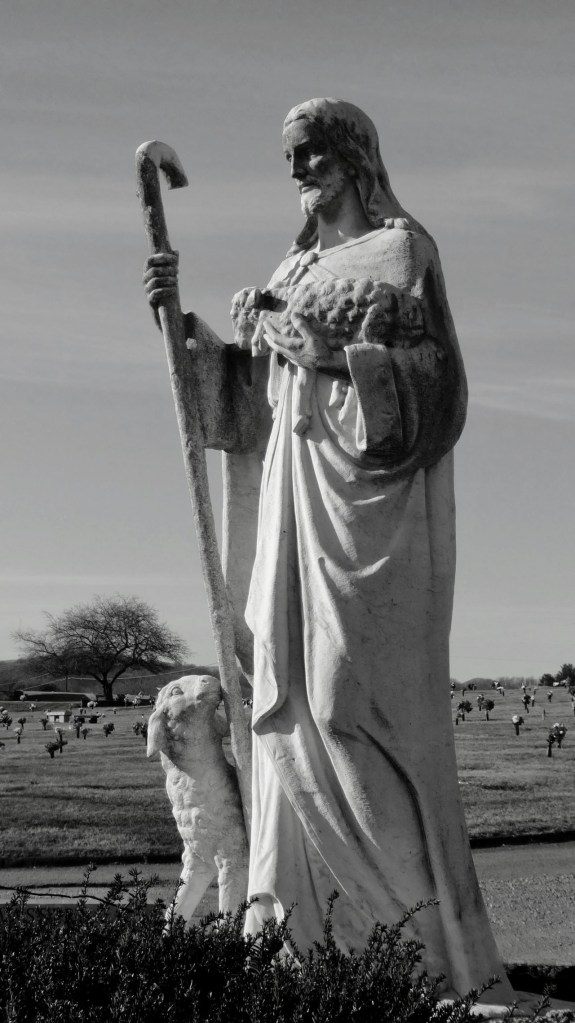
If you’ve been hurt by people in the church, I want you to hear this: your pain is real, and it matters. The wounds left by words spoken in anger, by leaders who fell from grace, or by the shortcomings of a community you trusted can run deep. But God sees you, and He has not abandoned you. Just as a good shepherd tends to a frightened sheep with patience, gentleness, and care, our Lord draws near to you with His love. “He heals the brokenhearted and binds up their wounds” (Psalm 147:3). Healing may take time, and it’s okay to move at your own pace. Don’t linger in victim-mode, though. Find the help you need through Christian friends, counseling, and sources like those listed below. God’s people, when they follow His ways, can become a place of safety and restoration.
You may find some of these resources helpful:
| Author / Speaker | Link | Summary |
|---|---|---|
| Cornerstone Christian Counseling | ARTICLE: A Christian’s Guide to Processing Church Hurt | This resource is specifically for people hurt by church, recognizing the emotional/spiritual pain with practical suggested steps toward healing. |
| Stephen Mansfield | Healing Your Church Hurt: What To Do When You Still Love God But Have Been Wounded by His People (Tyndale, 2012) | Mansfield walks you through the process of healing church hurt, showing you how you can “be better than ever on the other side of this mess.” |
| Dr. Diane Langberg | VIDEO: “When the Church Harms God’s People” BOOK: When the Church Harms God’s People: Becoming Faith Communities That Resist Abuse, Pursue Truth, and Care for the Wounded (Brazos, 2024) | Langberg unveils how churches cause harm and why Christian communities often foster unhealthy leaders who end up hurting rather than protecting God’s people. She also offers hope for the future, describing how churches can reflect Christ not just in what they teach but also in how they care for themselves and others. |
| Jerome Gay | BOOK: Church Hurt: Holding the Church Accountable and Helping Hurt People Heal (2023) | Jerome Gay offers a compassionate, gospel-centered guide for those wounded by the church, calling for both personal healing and honest accountability within the body of Christ. |
| Jon Chasteen | VIDEO: Church Hurt: Healing From Spiritual Wounds | Chasteen addresses those who have been hurt in church, acknowledging the pain and faith struggles, offering comfort, and pointing toward healing through Christ and community. |
| Peter Scazzero | VIDEO: Journey through the Wall BOOK: Emotionally Healthy Spirituality (Zondervan, 2017) | Scazzero asserts that emotional health is a necessary component of spiritual maturity. He invites readers on a journey of healing, integrating contemplative spiritual practices with honest emotional work in order to live a more transformative, sustainable Christian life. |
| Chuck DeGroat | BOOK: When Narcissism Comes to Church: Healing Your Community From Emotional and Spiritual Abuse (IVP, 2020) | Explains how narcissistic behavior damages churches and relationships and offers paths to personal and communal healing. |
| Michael J. Kruger | BOOK: Bully Pulpit: Confronting the Problem of Spiritual Abuse in the Church (Zondervan, 2022) | A biblically grounded treatment of spiritual abuse, offering diagnosis, pastoral responses, and hope for renewal without abandoning the doctrine and mission of the Church. |
| Karen Roudkovski | BOOK: Understanding Spiritual Abuse: What It Is and How to Respond (B&H Academic, 2024) | Research-informed and practical; explains how spiritual abuse functions and gives both survivors and leaders concrete steps toward safety and recovery. |
If you’ve been hurt in the fold, know this: your story doesn’t have to end with pain. The Good Shepherd has not forgotten you. He is still calling your name, still leading you beside quiet waters, still restoring your soul. Healing may take time, but every step toward trust is a step closer to His heart. As you heal, your story becomes part of His redemptive work, showing others that even the most wounded sheep can find peace again in the arms of the Shepherd who never lets go.
If you have a resource to recommend, please share in the comments!
In the next post, we’ll explore how faithful shepherds (pastors, ministry leaders, and others) can guide and care for those who have been wounded by past church experiences.
Photos by Unsplash.


3 thoughts on “The Flock That’s Been Hurt: Recognizing and Caring for Wounded Believers (Part 2)”